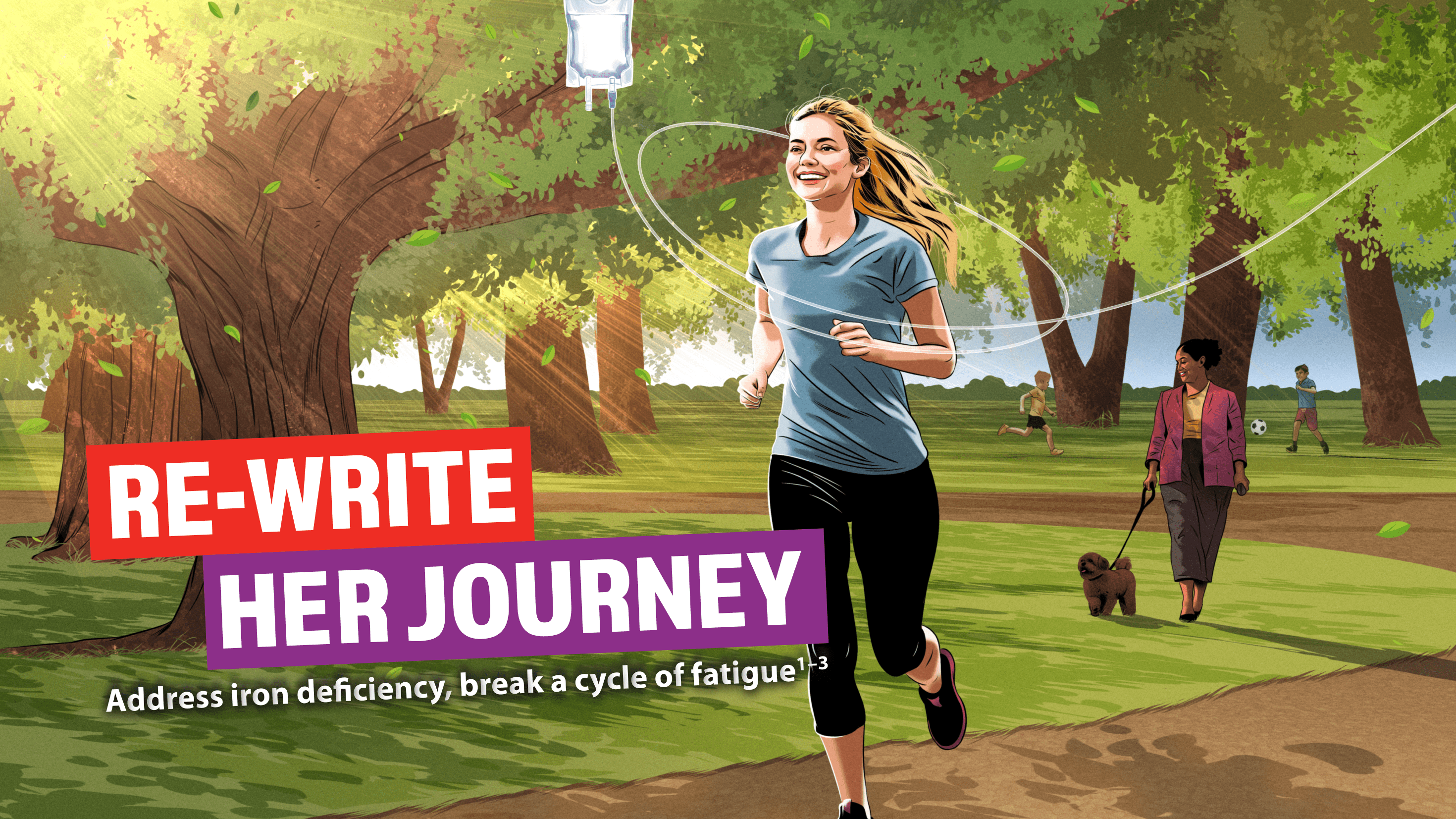
Image
home banner image
Fe icon

Iron matters

Addressing iron deficiency in women’s health is crucial4,5 

global icon

Globally, anaemia is estimated to affect 30% of reproductive-aged women and 37% of pregnant women, with ID causing ~50% of cases4,6

fe

The global prevalence of ID without anaemia is not known, but it is suggested to be at least double that of IDA7

hmb

Excessive iron loss due to abnormal uterine bleeding (AUB), including heavy menstrual bleeding (HMB)

Pregnancy

Increased iron demand during pregnancy

plant

Inadequate dietary intake of iron (e.g. due to a vegan or vegetarian diet)

document

Diagnosis

Find out how to detect ID early before progression to anaemia, and learn about the recommended diagnostic tests

file

Treatment

Explore the 2024 EHA guideline recommendations and algorithm for the treatment of ID and IDA

right tick

Ferinject® benefits

Discover how Ferinject® has been helping patients for over 15 years and explore its benefits in women's health

ID/IDA is a major cause of morbidity in women1,8,10,11
Alert
Burden of ID with or without anaemia1,8
  • Chronic fatigue
  • Cognitive impairment
  • Reduced exercise capacity
  • Poor health-related quality of life
  • Poor work performance
Impact on the mother
Impact on the mother8,10,11
  • Fatigue
  • Pre-eclampsia, placenta previa, caesarean section
  • Susceptibility to infection
  • Reduced lactation
  • Increased risk of postpartum haemorrhage and depression
Impact on the infant
Impact on the infant8,10,11
  • Preterm birth and low birth weight
  • Increased risk of perinatal and neonatal mortality
  • Neurodevelopmental deficits
L2VuL2lyb24tbWF0dGVycw==